


Diazepam – Uses, Benefits, Dosage, Side Effects & Safety Information
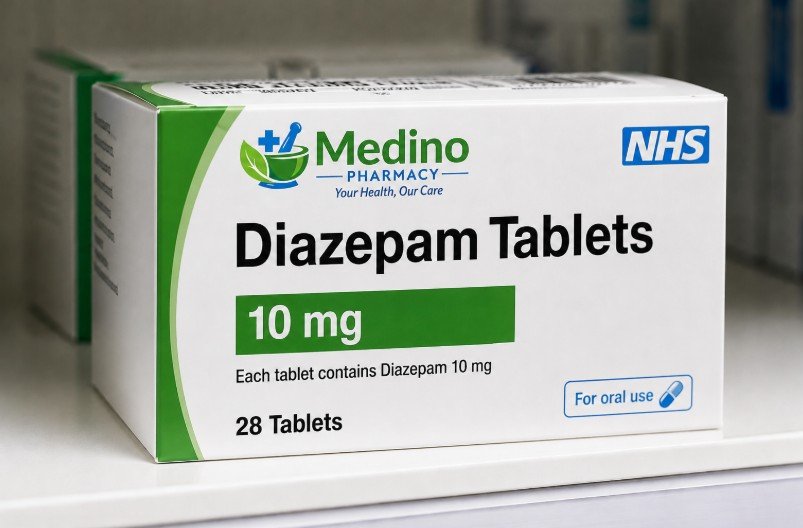
Diazepam is a prescription medicine belonging to a group of medicines called benzodiazepines. It is commonly prescribed for the short-term management of anxiety, muscle spasms and certain types of seizures. Diazepam may also be used to relieve symptoms associated with alcohol withdrawal and, in some clinical situations, as a sedative before medical procedures. Diazepam online UK
Because diazepam can cause drowsiness, impaired coordination and dependence, it should only be used under the direction of a qualified healthcare professional. Treatment is generally kept as short as clinically appropriate, particularly when used for anxiety or insomnia.
What Is Diazepam?
Diazepam works primarily by enhancing the activity of gamma-aminobutyric acid (GABA), a neurotransmitter that reduces excessive activity in the central nervous system. This produces calming, muscle-relaxing and anticonvulsant effects.
Diazepam is available in several formulations and strengths, depending on the country and clinical indication. The appropriate formulation and dose should be determined by a healthcare professional.
What Is Diazepam Used For?
Doctors may prescribe diazepam for several conditions, including:
- Short-term treatment of severe anxiety
- Muscle spasms and muscle stiffness
- Certain seizure disorders
- Symptoms associated with alcohol withdrawal
- Sedation before selected medical procedures
The suitability of diazepam depends on the individual’s medical history, other medicines and the reason for treatment. Diazepam online UK
Diazepam Dosage
The appropriate diazepam dosage varies according to the condition being treated, the patient’s age, response to treatment and other clinical factors. Patients should follow the prescription instructions provided by their healthcare professional and should not increase, decrease or extend treatment without medical advice.
Do not take more diazepam than prescribed, and do not stop long-term treatment suddenly. Abrupt discontinuation can cause withdrawal symptoms and, in some circumstances, serious complications.
Diazepam Side Effects
Common side effects may include:
- Drowsiness
- Tiredness
- Dizziness
- Muscle weakness
- Reduced coordination
- Difficulty concentrating
Seek urgent medical attention if severe breathing problems, extreme sedation, loss of consciousness, serious allergic reactions or other severe symptoms occur.
Diazepam and Alcohol
Avoid alcohol while taking diazepam unless your healthcare professional specifically advises otherwise. Alcohol can increase the sedative effects of diazepam and may increase the risk of excessive drowsiness, impaired coordination and potentially dangerous breathing problems.
Diazepam can also interact with other medicines that cause sedation, including certain opioid medicines. Tell your doctor or pharmacist about all medicines, supplements and recreational substances you use.
Diazepam Dependence and Withdrawal
Diazepam can cause physical and psychological dependence, particularly when used at higher doses or for prolonged periods. The risk may be greater in people with a history of substance-use problems.
If diazepam has been used regularly for an extended period, treatment should normally be reduced gradually under professional supervision rather than stopped suddenly.
Who Should Avoid Diazepam?
Diazepam may not be appropriate for everyone. Tell your healthcare professional if you have breathing problems, severe liver disease, sleep apnoea, myasthenia gravis, a history of substance dependence, or other significant medical conditions.
Pregnant or breastfeeding patients should discuss diazepam with a healthcare professional before using it.
Frequently Asked Questions About Diazepam
Is diazepam a prescription medicine?
Yes. Diazepam is a prescription-only medicine in many countries, including the United Kingdom.
Does diazepam make you sleepy?
Yes. Drowsiness and reduced alertness are common effects. Avoid driving or operating machinery if you feel sleepy, dizzy or impaired.
Can diazepam be taken every day?
Some patients may receive regular treatment for specific medical conditions, but prolonged use requires careful medical supervision because of the risk of tolerance and dependence.
Can I stop taking diazepam suddenly?
If you have been taking diazepam regularly, do not stop suddenly without medical advice. Your healthcare professional can determine whether a gradual dose reduction is appropriate.
How should diazepam be stored?
Keep diazepam securely stored according to the product instructions and away from children and anyone for whom it was not prescribed.
Important Safety Information
Diazepam is a benzodiazepine medicine with dependence and misuse potential. Use it only as prescribed by an authorised healthcare professional. Never share diazepam with another person, even if they have similar symptoms.
| Strength | 2 mg (28 tablets), 5 mg (28 tablets), 10 mg (28 tablets) |
|---|
Be the first to review “Diazepam”
Related products
Anxiety Prescription
Anxiety Prescription
Anxiety Prescription
Anxiety Prescription
Anxiety Prescription
Anxiety Prescription
Reviews
There are no reviews yet.