

Medino Pharmacy Blog
Can Anxiety Medication Be Taken Long Term?
31
Jul
Jul
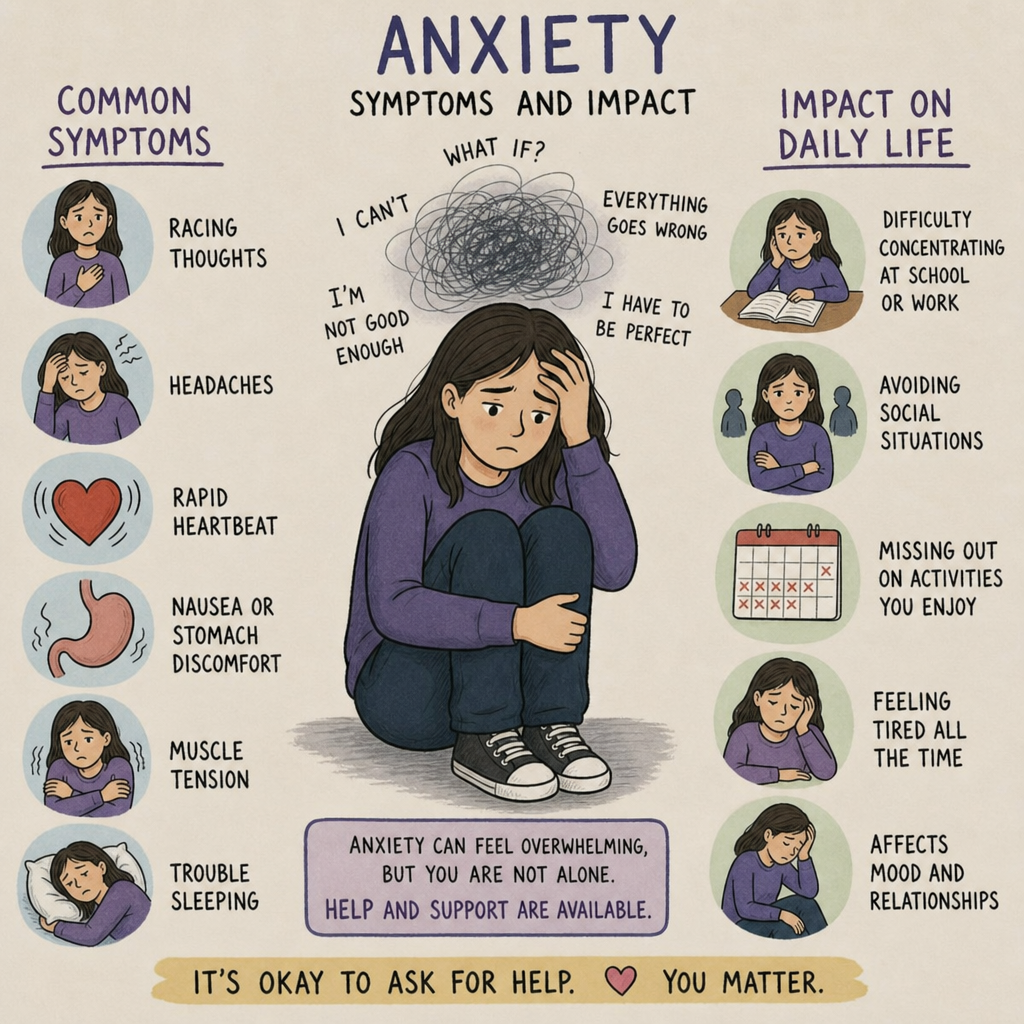
<h1>Can Anxiety Medication Be Taken Long Term?</h1><p>Anxiety disorders are among the most common mental health conditions, and medication can be an important part of treatment. A frequent question people ask is whether anxiety medication is safe or appropriate to take for months—or even years Anxiety Medication.</p>
<p>The answer depends on the specific medication, the type and severity of anxiety, your medical history, and how you respond to treatment. For many people, certain anxiety medications can be taken long term under ongoing medical supervision. Others are generally intended for short-term or occasional use.</p>
<p><strong>Important:</strong> This article is for general education and is not a substitute for medical advice. Always discuss starting, continuing, or stopping anxiety medication with a qualified clinician.</p>
<h2>What “Long Term” Means in Anxiety Treatment</h2>
<p>In clinical practice, “long term” often means taking medication beyond the initial acute treatment phase—commonly 6–12 months or more. Some people may use medication for multiple years to prevent relapse, especially if they have:</p>
<ul>
 <li>Chronic or recurrent anxiety symptoms</li>
 <li>Multiple past relapses after stopping treatment</li>
 <li>Co-occurring depression or other mental health conditions</li>
 <li>Significant functional impairment without treatment</li>
</ul>
<h2>Common Types of Anxiety Medications and Long-Term Use</h2>
<p>Different medications have very different long-term risk profiles. Understanding the category matters.</p>
<h3>SSRIs and SNRIs (often suitable for long-term use)</h3>
<p><strong>Selective serotonin reuptake inhibitors (SSRIs)</strong> and <strong>serotonin-norepinephrine reuptake inhibitors (SNRIs)</strong> are frequently first-line medications for generalized anxiety disorder (GAD), panic disorder, social anxiety disorder, and related conditions.</p>
<p>Many people take SSRIs/SNRIs long term with regular follow-up. Potential long-term considerations can include:</p>
<ul>
 <li>Weight changes</li>
 <li>Sexual side effects</li>
 <li>Sleep changes or fatigue</li>
 <li>Emotional blunting in some people</li>
 <li>Blood pressure effects with some SNRIs</li>
</ul>
<p>These medications are not considered “addictive” in the way substances of misuse are, but they can cause <strong>discontinuation symptoms</strong> if stopped abruptly (for example, dizziness, irritability, “brain zaps,” flu-like feelings). Tapering slowly with a clinician can reduce this risk Anxiety Medication.</p>
<h3>Buspirone (may be used long term for some people)</h3>
<p><strong>Buspirone</strong> is sometimes used for generalized anxiety. It typically does not cause dependence and may be considered for longer-term treatment, although it may be less effective for some anxiety types (such as panic) and can take several weeks to help.</p>
<h3>Benzodiazepines (generally not preferred long term)</h3>
<p><strong>Benzodiazepines</strong> (such as alprazolam, clonazepam, lorazepam, and diazepam) can reduce anxiety quickly, but they are usually recommended for <strong>short-term</strong> use or limited, carefully monitored use because long-term therapy can increase risks such as:</p>
<ul>
 <li><strong>Tolerance</strong> (needing higher doses for the same effect)</li>
 <li><strong>Physical dependence</strong> and withdrawal if stopped suddenly</li>
 <li>Daytime sedation, falls, and impaired coordination</li>
 <li>Memory and concentration problems</li>
 <li>Increased risk when combined with alcohol, opioids, or other sedatives</li>
</ul>
<p>In certain situations, a clinician may still prescribe a benzodiazepine longer term, but typically with clear goals, the lowest effective dose, regular review, and a plan to reduce or discontinue when appropriate.</p>
<h3>Beta-blockers (situational use)</h3>
<p><strong>Beta-blockers</strong> (for example, propranolol) are sometimes used for performance or situational anxiety because they can help with physical symptoms like tremor or a racing heart. They are not a primary long-term treatment for generalized anxiety, and they are not appropriate for everyone (such as some people with asthma or certain heart conditions).</p>
<h3>Hydroxyzine and other sedating antihistamines (short-term or intermittent use)</h3>
<p><strong>Hydroxyzine</strong> may be used short term for anxiety or sleep, but long-term daily use may be limited by sedation, dry mouth, constipation, and next-day grogginess in some people.</p>
<h3>Other options (case-by-case)</h3>
<p>Depending on diagnosis and individual factors, clinicians may consider other medications such as pregabalin (in some regions/indications), certain tricyclic antidepressants, or atypical antipsychotics as add-ons in specific situations. These choices require careful monitoring because side effects and long-term risks vary widely.</p>
<h2>When Long-Term Anxiety Medication May Be Appropriate</h2>
<p>Long-term medication can be a reasonable option when it improves quality of life and the benefits outweigh the risks. It may be appropriate if:</p>
<ul>
 <li>Your symptoms return consistently when medication is reduced or stopped</li>
 <li>Anxiety severely affects work, school, relationships, or self-care</li>
 <li>You’ve tried evidence-based psychotherapy (such as CBT) and still have significant symptoms</li>
 <li>You have a strong family history or personal history of recurrent anxiety/depression</li>
</ul>
<p>Some people use medication as a long-term “maintenance” tool, similar to how other chronic conditions are managed. Others use medication temporarily, then taper off after symptoms are stable and coping skills are stronger.</p>
<h2>Potential Benefits of Long-Term Treatment</h2>
<ul>
 <li><strong>Relapse prevention:</strong> continued treatment can reduce the risk of symptoms returning for some people.</li>
 <li><strong>Improved functioning:</strong> better sleep, concentration, and ability to engage socially or professionally.</li>
 <li><strong>Better participation in therapy:</strong> reduced symptom intensity can make psychotherapy more effective.</li>
</ul>
<h2>Potential Risks and Downsides to Consider</h2>
<p>Risks depend on the medication, dose, and your health profile. Common long-term considerations include:</p>
<ul>
 <li><strong>Side effects that accumulate over time</strong> (for example, weight gain or sexual side effects).</li>
 <li><strong>Drug interactions</strong> if other medications are started later.</li>
 <li><strong>Difficulty stopping</strong> due to withdrawal/discontinuation symptoms (especially with benzodiazepines and some antidepressants).</li>
 <li><strong>Over-reliance on medication alone</strong> without building coping skills and addressing triggers.</li>
</ul>
<h2>How Clinicians Monitor Long-Term Anxiety Medication</h2>
<p>If you and your clinician decide on longer-term medication, good follow-up matters. Monitoring may include:</p>
<ul>
 <li>Regular check-ins on symptom control and daily functioning</li>
 <li>Side effect review (sleep, energy, sexual function, appetite/weight)</li>
 <li>Screening for substance use and safety concerns (especially with sedating meds)</li>
 <li>Blood pressure or other measurements when relevant</li>
 <li>Reassessing the diagnosis (for example, panic vs. GAD vs. trauma-related anxiety)</li>
</ul>
<p>Ongoing review helps ensure you’re still on the best medication at the lowest effective dose—and that the plan still matches your goals.</p>
<h2>Stopping Anxiety Medication: Why Tapering Matters</h2>
<p>Many people can reduce or stop anxiety medication successfully, but timing and method are important. A clinician may suggest tapering when:</p>
<ul>
 <li>Symptoms have been stable for a sustained period</li>
 <li>Stressors are manageable (or you have strong supports in place)</li>
 <li>You have effective coping tools from therapy or self-management strategies</li>
</ul>
<p>A gradual taper is commonly recommended, particularly for benzodiazepines and many antidepressants. Stopping suddenly can trigger withdrawal or symptom rebound and may feel like the anxiety is “worse than ever,” even if it’s a temporary discontinuation effect.</p>
<h2>Medication Works Best When Combined With Non-Medication Supports</h2>
<p>Long-term outcomes often improve when medication is paired with evidence-based strategies such as:</p>
<ul>
 <li><strong>Cognitive-behavioral therapy (CBT)</strong> or other structured psychotherapy</li>
 <li><strong>Sleep support</strong> (consistent schedule, reducing caffeine/alcohol, treating insomnia)</li>
 <li><strong>Regular exercise</strong> and stress-reduction practices</li>
 <li><strong>Addressing underlying contributors</strong> (thyroid issues, stimulant use, trauma, chronic stress)</li>
</ul>
<h2>Special Situations to Discuss With a Clinician</h2>
<ul>
 <li><strong>Pregnancy and breastfeeding:</strong> medication choices may change based on risk/benefit.</li>
 <li><strong>Older adults:</strong> sedating medications can raise fall and cognitive risks.</li>
 <li><strong>Substance use history:</strong> some medications may be avoided or monitored more closely.</li>
 <li><strong>Other medical conditions:</strong> heart rhythm concerns, blood pressure issues, liver/kidney disease, and more may influence medication selection.</li>
</ul>
<h2>When to Seek Help Urgently</h2>
<p>Get urgent help or contact emergency services if you have thoughts of harming yourself or others, severe confusion, chest pain, trouble breathing, or signs of a serious medication reaction. If you believe you’re experiencing severe withdrawal, contact a clinician promptly.</p>
<h2>Bottom Line</h2>
<p>Yes—some anxiety medications can be taken long term, especially SSRIs and SNRIs, when they are effective and monitored appropriately. Other medications, particularly benzodiazepines, are usually not the preferred long-term strategy due to risks like tolerance and dependence. The best plan is individualized and regularly revisited with a healthcare professional, ideally alongside therapy and lifestyle supports.</p>
Pingback: opioids for chronic pain UK guidelines - Medino Pharmacy blog UK